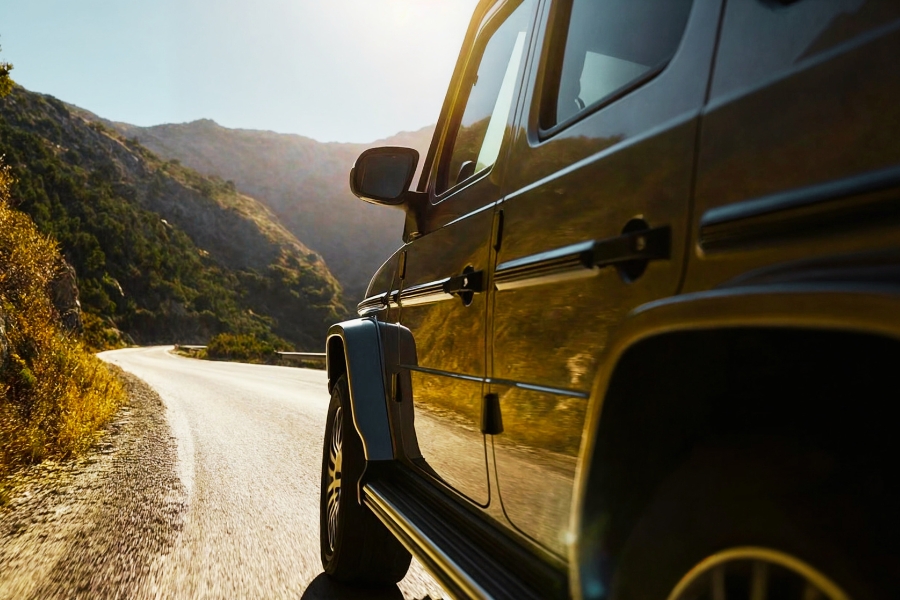
Driving to Al Hada Mountains begins long before you reach the winding highland roads. As you leave the city behind, the landscape changes from open highways to rolling terrain. The early part of the drive is calm and scenic. With a rental car in Jeddah, you can enjoy wide desert views, clear skies, and the anticipation of climbing into cooler elevations. This Al Hada Mountains travel guide will help you prepare for what lies ahead.
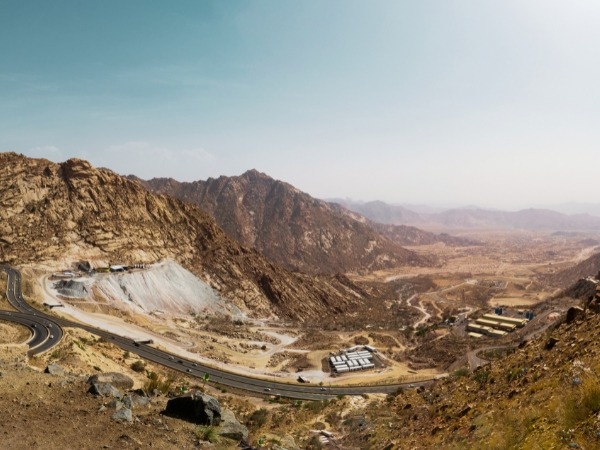
Al Hada is part of the Sarawat mountain range in western Saudi Arabia. It reaches elevations around 2,000 metres above sea level. The main highway up Al Hada climbs nearly 1,981 metres over a 21-kilometre stretch, navigating 93 tight bends to reach the summit. This Al Hada Road connects the city of Taif with the plains below. Despite the steep ascent, the road is well-built and offers spectacular vistas, cooler temperatures, and unique attractions.
The drive up Al Hada Mountain is iconic for its steep switchbacks carved into rugged cliffs, offering panoramic views at every turn. As you ascend, you’ll see rocky peaks and broad valleys unfolding below, often with clouds or mist settled in the lowlands. The road spirals along the mountainside. With each hairpin curve, you get new vantage points for photography and appreciation of the landscape.
Al Hada’s higher altitude brings a refreshing, cooler climate, especially if you’re coming from hotter cities like Jeddah or Mecca. Temperatures at the summit are often significantly lower than on the plains. It is sometimes around 20 °C on a summer day. This mild weather makes Al Hada a popular summer escape. You’ll notice the air getting crisper as you climb, and in winter it can even get cold enough to require a jacket.
Al Hada offers attractions that enhance your visit. A highlight is the Taif cable car, which runs from the mountaintop down to the Al-Kurr Tourist Village in the valley. At 4.5 kilometres in length, this cable car is one of the longest in the Middle East, giving you a thrilling aerial view of the mountains. There are also resorts and parks at the summit. Wild baboons (monkeys) are commonly seen on the slopes.
Driving up Al Hada requires smart planning due to the mountain terrain and changing conditions. The road is a modern highway (Route 15/M80) with two lanes separated by barriers and safety features, but its steep grade and continuous curves demand caution. Before you set out, consider the timing of your trip, prepare your vehicle for the climb, and be aware of weather forecasts.
With 87 kilometres of mountain roadway connecting Taif and the lowlands, it’s wise to map out fuel stops and rest points. Here’s how to ensure your Al Hada Mountains road trip is enjoyable, safe, and memorable.
Picking the right time to travel can greatly improve your experience. In terms of season, spring (March–May) and autumn (October–November) offer the most pleasant weather, with clear skies and moderate temperatures ideal for outdoor activities. During these months, daylight is comfortable, and you’re less likely to encounter heavy rain or extreme heat. Summers are cooler in Al Hada than in the lowlands, but they coincide with school holidays when the area can be busier.
Winters are generally mild, though nights can get chilly, and occasional fog or drizzle may occur. As for time of day, consider driving up in the morning or early afternoon. Early mornings sometimes bring fog that reduces visibility on the winding road, so it’s good to start after the mist clears if possible. If you plan to catch the sunset from a mountain café or viewpoint, ensure you begin your descent before it gets too dark, as visibility can drop quickly after dusk.
The best route to Al Hada Mountains is the main Al Hada Mountain Road (Highway M80, also signed as Route 15) that connects Makkah and Taif via Al Hada. This route leads you through all the hairpin bends and stunning overlooks. Just be mindful that non-Muslim travelers must take a bypass around Makkah (route 298) before joining the mountain road near Taif.
The bypass, known as Al-Sail Road or Al-Sayl Al-Kabeer Road, is an alternative route that is longer and less steep. It is used when the main Al Hada road is closed or for heavy vehicles. However, that road is less scenic and bypasses the dramatic climb. For the full experience, use the Al Hada pass in either direction at least once. It’s a well-paved route with ample safety measures, so stick to the highway and avoid any unpaved shortcuts. Along the way, you’ll notice designated U-turn spots and pull-outs where you can change direction or stop if needed.
Before tackling the mountain, make sure your vehicle is in good condition for a steep drive. If you are renting, choose a car with a reliable engine and brakes. Many visitors rent a car in Jeddah or Taif, so inspect the vehicle carefully before setting off.
Check the brakes and tyres. Long downhill sections can overheat brakes, so ensure the brake pads are in good condition and that the brake fluid is at the correct level. Tyres should have a solid tread to maintain grip on sharp bends, especially if the road is wet. Confirm that the cooling system is working properly, as sustained climbs in lower gears place extra strain on the engine. Start the journey with a full tank of fuel, as petrol stations can be spaced out once you leave the main towns.
Carry basic safety and emergency items, including a spare tyre, a jack, a first-aid kit, and plenty of drinking water. Although the climb to Al Hada is not extremely long, the steep gradients and thinner mountain air mean your vehicle will work harder than usual. Proper preparation ensures a smoother, safer, and more enjoyable drive.
Part of the appeal of an Al Hada Mountains road trip is taking time to enjoy the scenery. Plan a few safe scenic stops where you can pull over, take photos, or simply admire the views. Once you reach the top of Al Hada, there are several designated lookout areas, especially near the cable car station and nearby resorts. These spots usually have proper parking and open views across the valley.
One well-known viewpoint includes a free parking area and a picnic spot overlooking the winding road and the valley toward Makkah, making it an excellent place for sunset. During the climb, avoid stopping on narrow shoulders or at sharp bends. The road has barriers and limited space. It is safer to continue to the top and then return via the older parallel road or follow signs to official viewpoints.
From these higher vantage points, you can see the highway looping through the mountains, with layered ridges stretching into the distance. Some areas have benches or small vendors. These stops also allow your vehicle’s brakes to cool.
Mountain weather can be unpredictable, so always check the forecast and road reports before setting off. In Al Hada, the main concerns are fog and rain. Thick fog can roll in quickly, especially during cooler months or in the early morning, significantly reducing visibility. If fog is forecast, it is safer to plan your drive for late morning or during the day, when conditions improve. At times, authorities temporarily close Al Hada Road when fog or heavy rain makes driving unsafe.
Rain is less common, but when it does occur, the road can become slippery, and occasional rockfalls from nearby cliffs are possible. If it rains, reduce your speed and stay alert for debris on the road surface. Before departure, check local news, traffic updates, or official social media channels for advisories.
Packing smart makes a mountain trip far more comfortable. Start with layered clothing. Even if it is hot in the city, Al Hada can be cool and breezy at the top, especially in the evening. A light jacket or sweater is essential. Bring water and snacks, particularly if you are travelling with family or planning a long day. While cafés and restaurants are available, having your own supplies allows for relaxed stops at scenic viewpoints or during traffic delays.
Sun protection is also important. Sunglasses help reduce glare for the driver, and sunscreen is useful if you spend time outdoors. For navigation, download offline maps or use a car GPS, as mobile signal can be unreliable in some mountain sections, even though Route 15 is easy to follow.
Other useful items include a car phone charger, a camera or binoculars for distant views, and motion sickness tablets if anyone is sensitive to winding roads. Finally, carry a basic emergency kit with a flashlight, jumper cables, and a first aid kit. These essentials ensure you are prepared for changing weather, spontaneous stops, and unexpected situations.
To get more out of your journey, consider pairing the mountain drive with a few nearby attractions. One of the most popular is the Al Hada cable car, which takes you from Al Hada down to the Al Kar Tourist Village below. Known locally as the Telefric, this ride offers sweeping aerial views of the mountains and the winding road. Near the top station by a hotel, you will often find small shops selling local honey and souvenirs.
Al Hada also has several resorts, picnic parks, and landscaped gardens along the route. Some include play areas and small attractions where children can stretch their legs after the drive. As you descend, keep an eye out for roadside stalls and small fruit markets selling fresh local produce such as corn and cactus fruit.
Because Taif is only about 20 kilometres beyond Al Hada, many travellers choose to combine both destinations. Taif is well known for its rose farms and rose factories in spring, as well as green spaces like Al Rudaf Park and cultural sites such as Shubra Palace. The central market is also worth visiting for local goods. If you are staying overnight, Ash Shafa Mountain, about 30 minutes further on, provides striking mountain scenery and a quieter atmosphere.
Safety should always be a priority, especially on a mountain road. Al Hada Road has a strict speed limit, generally around 50 to 60 km/h on curves. Follow it even if some local drivers are rushing. Speed control cameras are active, and slower driving gives you more time to react to sharp bends or sudden stops. Stay in your lane on curves and avoid overtaking unless you are on a clear, straight section where passing is permitted.
On steep downhill stretches, shift to a lower gear to control speed rather than riding the brakes continuously. This reduces the risk of brake overheating on long descents. Be aware of the no-truck rule on Al Hada. Heavy trucks and large buses are prohibited year-round, which improves safety, but you may still encounter slower vehicles such as family SUVs.
If you are driving slowly and notice a line of cars behind you, use designated turnouts to let faster drivers pass. Likewise, if you are behind a nervous driver on the curves, give them space rather than applying pressure.
Watch out for stray animals, especially baboons, which sometimes gather near the roadside in search of food. Slow down if you see them, and never stop in the middle of the road for photos. Always use a proper pull-over area. Make sure all passengers wear seat belts at all times.
If you went up in the morning, you may be heading down in the afternoon or early evening. Descend before nightfall when possible. The road is lit at night, but darkness combined with possible fog can make driving more demanding. Sunsets are beautiful at the top, yet visibility can drop quickly as cooler air brings mist. Aim to begin your descent while there is still daylight, or at least when traffic levels are manageable.
Many visitors leave just after sunset, which can create a brief rush. You may prefer to wait this out by having an early dinner or coffee, then descend once traffic thins, but not so late that fog becomes dense. On the downhill sections, use a low gear and maintain a slow, steady pace. Avoid constantly relying on the brakes. If they begin to feel less responsive, pull into a safe turnout and allow them to cool for a few minutes.
After a full day of sightseeing, a short break can make a big difference. If you are continuing all the way back to Jeddah or further, remember that the steep descent comes first, followed by flatter highway driving after Taif. Planning a stop in Taif for coffee or a short walk can help you stay refreshed. Finally, check your fuel level before starting the return journey. Fill up in Taif, as petrol stations on the highway toward Makkah can be spaced out.
A well-planned drive to the Al Hada Mountains lets you enjoy stunning views, cooler mountain air, and a safe adventure on Saudi Arabia’s beautiful roads. By choosing the right time to go, preparing your car, and following the mountain driving tips, you can navigate the hairpin bends and steep climbs. The result is a journey filled with panoramic lookouts, a thrilling cable car ride, and cultural delights in the Taif region.
Rent a car in Jeddah with Final Rentals and explore the heights of Al Hada. With Final Rentals, booking a car online is fast and simple. Select King Abdulaziz International Airport as your pickup location, enter your travel dates, and choose a vehicle for your trip. Book and manage your car rental at any time. Download the Final Rentals app on Google Play and the App Store.